
Reviews, Features, & More
Recommended Motorcycle Helmets




See also: helmet reviews / helmet buyers guide.






More Reviews & Articles
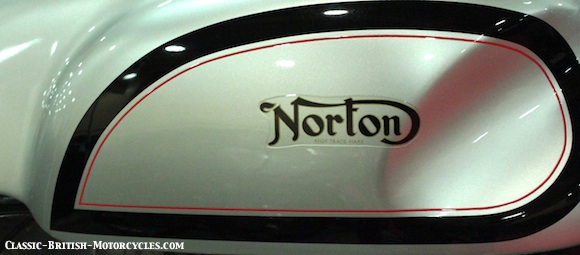
Norton Manx
NORTON MANX BACKGROUND The Manx was developed in 1937, in both SOHC and DOHC form, to compete in and win the Isle of Man TT. Before fully developed, World War II intervened, and production of the Manx was delayed until 1946. The Manx quickly gained a reputation for its speed and reliability, allowing it to …
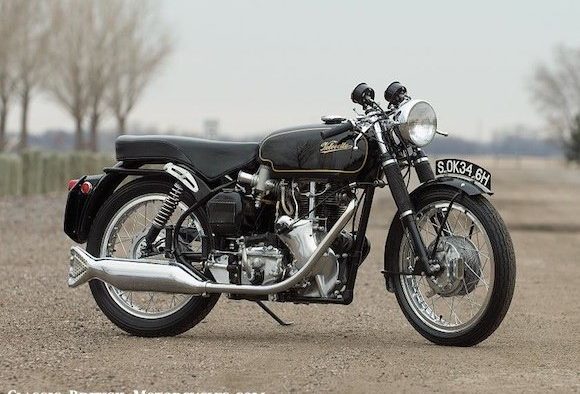
Velocette Thruxton
VELOCETTE THRUXTON BACKGROUND By the 1960s, the motorcycle market had clearly shifted away from practical, economical commuters, and toward high-performance bikes with sporting aspirations. Triumph and Norton were killing in this market, and by the mid-60s, the Japanese were taking a major bite out if it for themselves. Velocette, never having developed a vertical twin, …
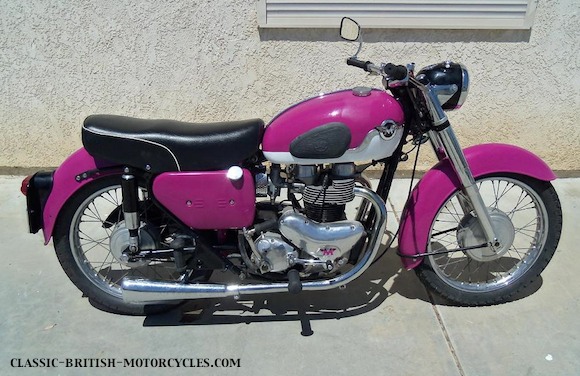
Matchless G12
MATCHLESS G12 BACKGROUND Just prior to World War II, Triumph rocked the world with their seminal 500 Speed Twin, but the world had to wait for the war to end before the rest of the industry would have a chance to catch up. At war’s end, BSA was first to respond with their own 500cc …
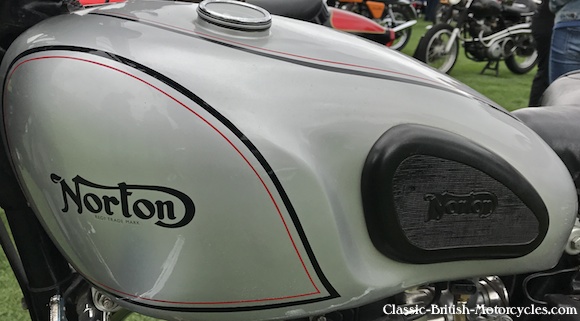
Norton Model 7
NORTON MODEL 7 BACKGROUND Following Triumph’s lead, Norton, along with nearly every other British motorcycle manufacturer, entered the parallel twin race with its own new 500 twin in 1949. Known as the Model 7 and also the Model 7 Dominator, it was Norton’s first twin, and the first in the storied Dominator line. It was …
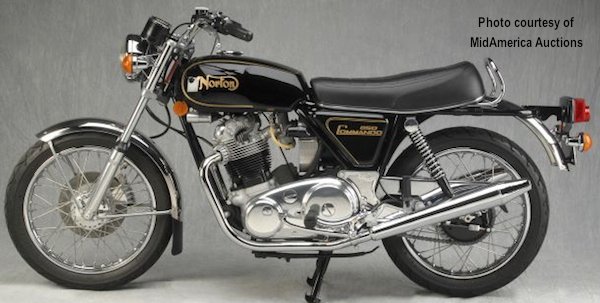
Norton Commando
ABOVE: 1974 Norton Commando 850 Roadster. BIRTH OF THE COMMANDO While the Commando was a direct descendant of the the Norton Atlas & the Dominator line before that, the Commando was definitely not evolutionary. It was revolutionary, a true game-changer. Not because of some amazing new engine, not because it was all that faster than …
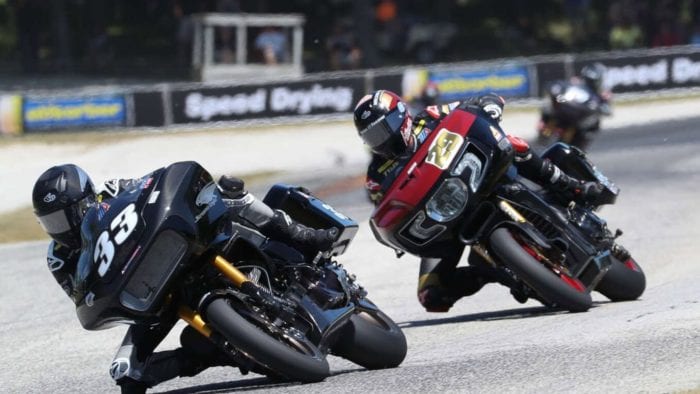
KOTB: Kyle Wyman Crowned King Of The Baggers at Laguna Seca
Kyle Wyman has had his hand full (pun intended) since he crashed at Road America, sustaining multiple fractures to his left elbow. Given his new title of King Of The Baggers a scant four weeks after seven shiny titanium screws were introduced to his Olecranon bone (elbow), we’re pretty sure he’s not keen on sitting around. The …

Join the Conversation!